Intermediate Classroom (offline) Online (live) 30 days CoC certificate

Electrical & Instrument Inspector

The Electrical & Instrument Inspector (E&I Inspector) Training Program by NTO – Nusantara Technical Oriented is designed to develop participants' technical knowledge and understanding of electrical and instrumentation inspection in industrial projects. The pr…

Electrical & Instrument Inspector
Program details
About this programOverview

The Electrical & Instrument Inspector (E&I Inspector) Training Program by NTO – Nusantara Technical Oriented is designed to develop participants' technical knowledge and understanding of electrical and instrumentation inspection in industrial projects. The program covers technical documentation, equipment inspection, installation practices, testing, instrumentation and control systems, hazardous area fundamentals, and inspection reporting to support quality assurance and compliance with applicable project specifications and requirements.

Who should attendTarget participants
  • This program is suitable for:
  • Electrical Engineers and Electrical Technicians.
  • Instrumentation Engineers and Instrument Technicians.
  • Quality Control (QC) and Quality Assurance (QA) personnel.
  • Electrical and Instrumentation Inspectors seeking to strengthen their technical knowledge.
  • Commissioning Engineers and Commissioning Technicians.
  • Technical personnel involved in electrical and instrumentation installation, inspection, and testing.
  • Engineering graduates seeking to develop foundational knowledge of industrial E&I inspection.
  • Participants with previous experience in electrical, instrumentation, or industrial project environments may find it easier to relate the training materials to actual project activities.
What you will learn13 modules · by delivery method
  1. Electrical Overview, Power System & Technical Drawing
  2. Occupational Health, Safety & Environment (K3L)
  3. Document & Electrical Identification (SLD, Tag, Routing)
  4. Generator — Physical Inspection & Test Witness
  5. Transformer — Physical Inspection & Test Witness
  6. Switchgear (MV & LV) — Inspection & Test Witness
  7. Motor Control Center (MCC)
  8. Fabrication, Installation Support & Cable Tray/Ladder
  9. Cable Installation, Glanding & Termination
  10. Grounding / Earthing System
  11. Equipment Installation, TP & System Completion
  12. Inspection Report & Recommendation
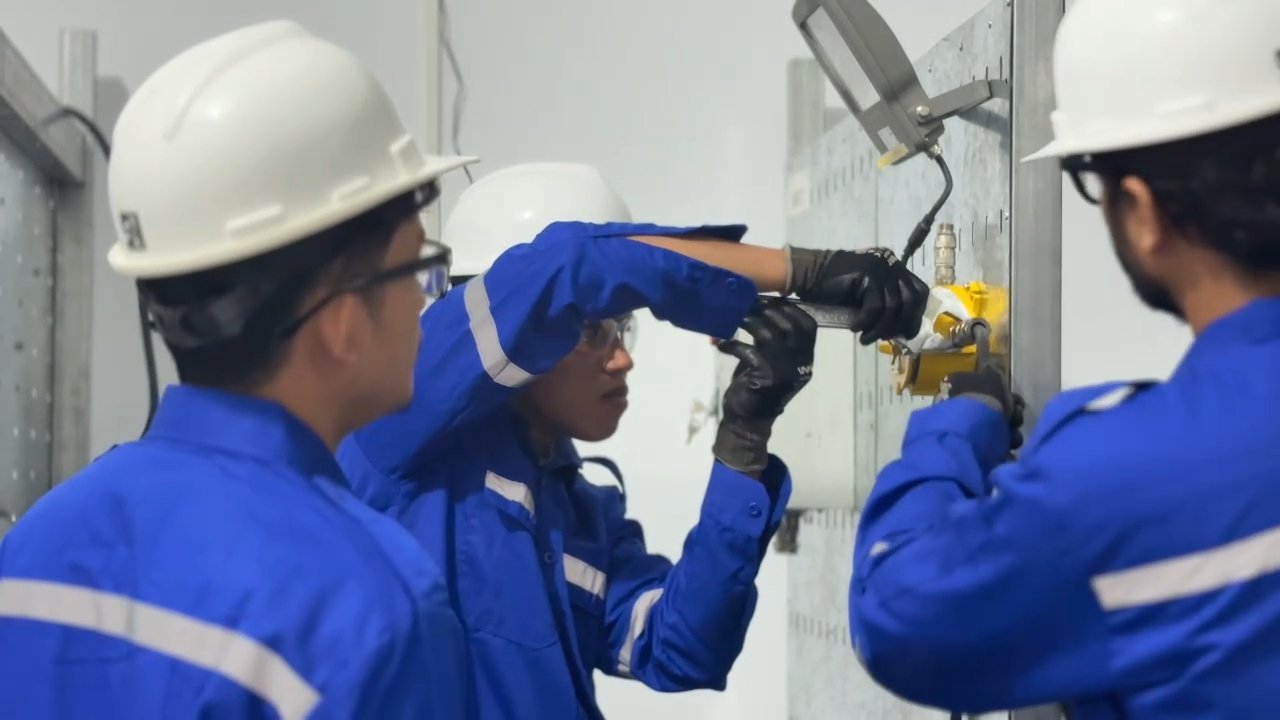
  13. Practical — Glanding, Termination, Testing

The Electrical & Instrument Inspector (E&I Inspector) Training Program by NTO – Nusantara Technical Oriented is designed to develop participants' technical knowledge and understanding of Electrical, Instrumentation & Control, and inspection practices in industrial projects.

The program covers electrical equipment inspection, instrumentation systems, technical documentation, installation requirements, testing activities, and inspection reporting. Participants will also be introduced to hazardous area fundamentals, including Ex equipment protection types, equipment identification, and basic inspection considerations.

Through structured learning and practical-oriented discussions, participants will develop a better understanding of inspection activities, technical requirements, and quality documentation commonly encountered in industrial projects.

The program is relevant to industrial sectors such as Oil & Gas, Power Generation, Petrochemical, Mining, Smelting, and Engineering, Procurement & Construction (EPC).

WHAT YOU WILL LEARN
  • Electrical
Develop an understanding of industrial electrical systems, technical documentation, equipment inspection, and testing activities commonly encountered in industrial projects.
Training Topics:
  • Electrical Overview, Power System & Technical Drawing
  • Occupational Health, Safety & Environment (K3L)
  • Document & Electrical Identification (SLD, Tag, Routing)
  • Generator — Physical Inspection & Test Witness
  • Transformer — Physical Inspection & Test Witness
  • Switchgear (MV & LV) — Inspection & Test Witness
  • Motor Control Center (MCC)
  • Fabrication, Installation Support & Cable Tray/Ladder
  • Cable Installation, Glanding & Termination
  • Grounding / Earthing System
  • Equipment Installation, TP & System Completion
  • Inspection Report & Recommendation
  • Practical — Glanding, Termination, Testing
Through these topics, participants will develop an understanding of electrical inspection activities, equipment installation requirements, testing practices, and inspection documentation in industrial projects.
  • Instrumentation
Understand industrial instrumentation and control systems, including process measurement, instrument installation, control systems, and inspection documentation.
Training Topics:
  • Instrumentation Overview & Scope
  • Instrument Documents, Drawings & Symbols
  • Instrument Tools, Fittings & Manifold
  • Process Measurement: Pressure, Level, Flow & Temperature
  • Analytical Measurement & Fire/Gas Detection
  • Control Valve & Valve Philosophy (Final Control Element)
  • Calibration
  • Field Installation & Hook-Up
  • Control Systems & Industrial Communication (PLC/DCS/SCADA/RTU, Fieldbus, IEC 62443)
  • Safety Instrumented System (SIS/SIL), ESD & Wellhead Control Panel
  • Telecommunication System
  • System Completion & Inspection Report (ITP/ITR, NCR)
Participants will develop an understanding of instrumentation and control systems, process measurement principles, field installation practices, and inspection documentation to support quality requirements in industrial projects.
  • Hazardous Area (Ex) Fundamentals
Gain an understanding of hazardous area classification, explosion protection concepts, equipment identification, and fundamental inspection requirements for electrical equipment installed in potentially explosive atmospheres.

Training Topics:

  • Hazardous area classification fundamentals.
  • Differences between hazardous areas involving gas and combustible dust.
  • Introduction to Ex equipment protection types.
  • Equipment marking and nameplate verification.
  • Fundamentals of cable gland and cable entry inspection.
  • Inspection of Ex junction box installations.
  • Introduction to hazardous area equipment inspection requirements.

This section introduces participants to the fundamental principles of hazardous area equipment protection and identification. Participants will learn to recognize equipment markings, understand the differences between gas and combustible dust hazards, and identify basic inspection considerations for Ex equipment installations.

The material also introduces fundamental inspection requirements relevant to hazardous area equipment, helping participants develop a structured understanding of inspection practices in potentially explosive environments.

Same syllabus as Classroom (offline).

  1. Electrical Overview, Power System & Technical Drawing
  2. Occupational Health, Safety & Environment (K3L)
  3. Document & Electrical Identification (SLD, Tag, Routing)
  4. Generator — Physical Inspection & Test Witness
  5. Transformer — Physical Inspection & Test Witness
  6. Switchgear (MV & LV) — Inspection & Test Witness
  7. Motor Control Center (MCC)
  8. Fabrication, Installation Support & Cable Tray/Ladder
  9. Cable Installation, Glanding & Termination
  10. Grounding / Earthing System
  11. Equipment Installation, TP & System Completion
  12. Inspection Report & Recommendation
  13. Practical — Glanding, Termination, Testing

The Electrical & Instrument Inspector (E&I Inspector) Training Program by NTO – Nusantara Technical Oriented is designed to develop participants' technical knowledge and understanding of Electrical, Instrumentation & Control, and inspection practices in industrial projects.

The program covers electrical equipment inspection, instrumentation systems, technical documentation, installation requirements, testing activities, and inspection reporting. Participants will also be introduced to hazardous area fundamentals, including Ex equipment protection types, equipment identification, and basic inspection considerations.

Through structured learning and practical-oriented discussions, participants will develop a better understanding of inspection activities, technical requirements, and quality documentation commonly encountered in industrial projects.

The program is relevant to industrial sectors such as Oil & Gas, Power Generation, Petrochemical, Mining, Smelting, and Engineering, Procurement & Construction (EPC).

WHAT YOU WILL LEARN
  • Electrical
Develop an understanding of industrial electrical systems, technical documentation, equipment inspection, and testing activities commonly encountered in industrial projects.
Training Topics:
  • Electrical Overview, Power System & Technical Drawing
  • Occupational Health, Safety & Environment (K3L)
  • Document & Electrical Identification (SLD, Tag, Routing)
  • Generator — Physical Inspection & Test Witness
  • Transformer — Physical Inspection & Test Witness
  • Switchgear (MV & LV) — Inspection & Test Witness
  • Motor Control Center (MCC)
  • Fabrication, Installation Support & Cable Tray/Ladder
  • Cable Installation, Glanding & Termination
  • Grounding / Earthing System
  • Equipment Installation, TP & System Completion
  • Inspection Report & Recommendation
  • Practical — Glanding, Termination, Testing
Through these topics, participants will develop an understanding of electrical inspection activities, equipment installation requirements, testing practices, and inspection documentation in industrial projects.
  • Instrumentation
Understand industrial instrumentation and control systems, including process measurement, instrument installation, control systems, and inspection documentation.
Training Topics:
  • Instrumentation Overview & Scope
  • Instrument Documents, Drawings & Symbols
  • Instrument Tools, Fittings & Manifold
  • Process Measurement: Pressure, Level, Flow & Temperature
  • Analytical Measurement & Fire/Gas Detection
  • Control Valve & Valve Philosophy (Final Control Element)
  • Calibration
  • Field Installation & Hook-Up
  • Control Systems & Industrial Communication (PLC/DCS/SCADA/RTU, Fieldbus, IEC 62443)
  • Safety Instrumented System (SIS/SIL), ESD & Wellhead Control Panel
  • Telecommunication System
  • System Completion & Inspection Report (ITP/ITR, NCR)
Participants will develop an understanding of instrumentation and control systems, process measurement principles, field installation practices, and inspection documentation to support quality requirements in industrial projects.
  • Hazardous Area (Ex) Fundamentals
Gain an understanding of hazardous area classification, explosion protection concepts, equipment identification, and fundamental inspection requirements for electrical equipment installed in potentially explosive atmospheres.

Training Topics:

  • Hazardous area classification fundamentals.
  • Differences between hazardous areas involving gas and combustible dust.
  • Introduction to Ex equipment protection types.
  • Equipment marking and nameplate verification.
  • Fundamentals of cable gland and cable entry inspection.
  • Inspection of Ex junction box installations.
  • Introduction to hazardous area equipment inspection requirements.

This section introduces participants to the fundamental principles of hazardous area equipment protection and identification. Participants will learn to recognize equipment markings, understand the differences between gas and combustible dust hazards, and identify basic inspection considerations for Ex equipment installations.

The material also introduces fundamental inspection requirements relevant to hazardous area equipment, helping participants develop a structured understanding of inspection practices in potentially explosive environments.
What you will be able to doLearning outcomes
  • output dari pelatihan ini adalah :
  • Sertifikat E&I Inspector - NTO
  • Sertifikat Hazardous Area Fundamentals - NTO
  • Inspektur Kelistrikan - BNSP
RequirementsBefore you register
  • Ijazah Minimal SMA/SMK Sederajat
  • E-KTP atau Kartu Tanda Penduduk yang masih berlaku.
  • CV (Curriculum Vitae) atau Daftar Riwayat Hidup terbaru.
  • Pasfoto ukuran 3x4 (atau 4x6) dengan latar belakang merah.
  • Surat Keterangan Kerja atau surat pengalaman kerja dari perusahaan.
  • Sertifikat Pelatihan terkait kelistrikan (jika ada sebagai pendukung portofolio)
What you getCertificate & recognition
  • Issued by NTO Certificate of Core Competence Issued by Nusantara Technical Oriented to participants who meet the program requirements. Each certificate has a QR code and can be checked at Verify Certificate.
  • National certification Sertifikat Kompetensi BNSP — Electrical Inspector Issued by Lembaga Sertifikasi Profesi (LSP) berlisensi BNSP, not by NTO.
PT Trinusa Karya Teknikindo
Parent company
UKAS Accredited
UKAS Accredited
ISO 9001:2015 — Quality management system
BNSP
BNSP
Competency certification
Kementerian Ketenagakerjaan RI
Registered training provider
LA-LPK
LA-LPK
Accredited training provider

Every NTO certificate carries a unique QR code. Anyone can check it at Verify Certificate.

Training a team?
This program can run as in-house training at your site, with content adjusted to your facility and equipment.
Request in-house training